Our Services
A PEA serves two main purposes: it identifies any habitats or species that could be a material consideration for planning, and it provides the "ecological roadmap" for your project. By identifying risks early, we help you design around them, often saving significant time and mitigation costs later.
What We Offer:
Desktop Study: We consult local biological record centres and designated site maps to identify any protected areas (like SSSIs) or rare species records within the vicinity of your site.
Site Walkover (UKHab): Our ecologists conduct a site visit using the UK Habitat Classification (UKHab) system to map the habitats present and assess their ecological value.
Protected Species Scoping: During the walkover, we assess the siteβs potential to support protected species, including bats, badgers, great crested newts, and nesting birds.
Comprehensive Reporting: You receive a clear, professional report detailing our findings, identifying potential "red flags," and recommending any necessary "Phase 2" species-specific surveys.
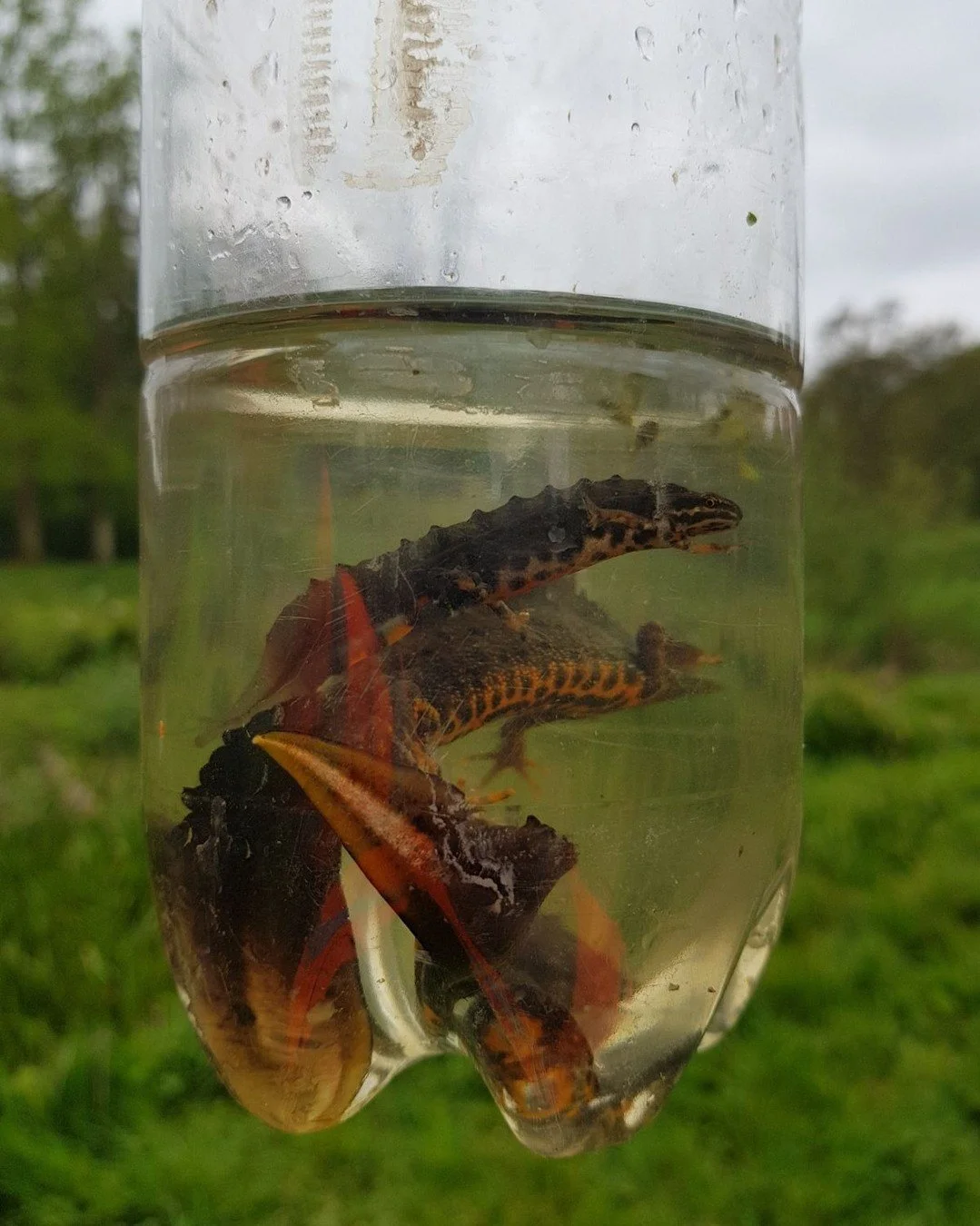
Great Crested Newts are a European Protected Species (EPS), protected under the Conservation of Habitats and Species Regulations 2017 and the Wildlife and Countryside Act 1981. It is a criminal offence to capture, kill, or disturb them, or to damage their breeding sites or resting places.
Importantly, GCNs use both ponds for breeding and terrestrial habitatsβsuch as long grass, scrub, and woodlandβfor foraging and hibernation. This means they can be a material consideration for your project even if there is no standing water directly on your site.
What We Offer:
Habitat Suitability Index (HSI) Assessments: A standardized scoring system used during a site walkover to assess the likelihood of a pond supporting GCNs based on its physical characteristics.
Environmental DNA (eDNA) Sampling: A modern, efficient method where we collect water samples to detect GCN DNA. This provides a definitive "presence or absence" result with just one site visit.
Population Assessments (Traditional): When presence is confirmed, we conduct evening torchlight surveys, bottle trapping, and egg searches to determine the population size and distribution.
Mitigation & EPS Licensing: If your project will impact GCN habitat, we manage the full European Protected Species License (EPSL) application and design mitigation strategies, including installing newt-proof fencing and creating compensatory habitats such as hibernacula.
Badgers and their setts are strictly protected under the Protection of Badgers Act 1992. This makes it an offence to intentionally or recklessly damage, destroy, or obstruct access to a badger sett, or to disturb a badger while it is occupying one.
Our team provides comprehensive badger surveys to identify activity early in the planning process, helping you avoid costly conflicts and ensuring your project meets all legal requirements.
What We Offer:
Walkover & Activity Surveys: We conduct thorough site searches for physical evidence, including setts, latrines, badger paths, and hair snags.
Sett Classification: Our ecologists evaluate holes to determine if they are Main, Annex, Subsidiary, or Outlying setts, and assess whether they are currently "active."
Camera Trap Monitoring: Where activity is unclear, we deploy infrared camera technology to monitor sett entry points over several days to confirm occupancy.
Licensing & Mitigation: If a sett must be closed or disturbed to facilitate your project, we handle the Natural England applications and design robust mitigation strategies, such as artificial sett construction.
In the UK, all wild birds, their nests, and their eggs are protected under the Wildlife and Countryside Act 1981. Carrying out vegetation clearance or demolition during the breeding season without due diligence can lead to significant project delays or legal repercussions.
Our team of experienced ecological consultants provides expert Nesting Bird Surveys to ensure your project remains compliant while safeguarding local biodiversity.
What We Offer:
Pre-commencement Checks: Rapid, thorough site inspections conducted by our ecologists within 48 hours of your scheduled works to identify active nests.
Clearance Supervision: On-site Ecological Clerk of Works (ECoW) to oversee sensitive vegetation removal and provide real-time guidance.
Pragmatic Mitigation: If an active nest is identified, we provide clear advice on required exclusion zones and buffers, allowing you to progress work elsewhere on-site where safe to do so.
Schedule 1 Inspections: Specialized surveys for rare species (such as Barn Owls or Red Kites) which receive a higher level of legal protection.
In the UK, the four widespread speciesβSlow-worm, Common Lizard, Grass Snake, and Adderβare protected under the Wildlife and Countryside Act 1981 against intentional killing and injury. Our rarer species, the Sand Lizard and Smooth Snake, receive full legal protection, making it an offence to disturb them or damage their habitats.
We provide comprehensive reptile services to ensure your site clearance and development activities proceed without breaching wildlife legislation.
What We Offer:
Habitat Suitability Assessments: A preliminary walkover to identify "hotspots" such as south-facing banks, log piles, and mosaic habitats that may support reptile populations.
Presence/Absence Surveys: We deploy artificial refugia (heat-retaining felt or corrugated tin mats) across your site. Our ecologists then conduct a minimum of seven site visits under optimal weather conditions to check for reptiles.
Population Assessments: If reptiles are found, we can extend our survey effort to estimate population size, which is often required by planning authorities to determine the scale of mitigation needed.
Translocation & Mitigation: Where impacts are unavoidable, we design and implement translocation programmes. This involves "trapping out" reptiles using exclusion fencing and moving them to a safe, pre-prepared receptor site.
Habitat Creation: We provide technical advice on creating hibernacula (winter shelters), log piles, and basking banks to enhance your site's value for local biodiversity.
Our ECoW services provide you with on-site expertise during the most sensitive phases of your project. We donβt just monitor; we provide pragmatic, proactive advice to ensure that work stays on schedule while remaining fully compliant with the law and your planning requirements.
What We Offer:
Pre-Construction Checks: Before plant machinery moves in, we conduct final sweeps for nesting birds, badgers, reptiles, and other protected species to ensure the working area is "clear."
Toolbox Talks: We deliver site-specific briefings to your contractors and site managers, ensuring everyone understands the ecological constraints and their individual legal responsibilities.
Supervised Clearance: We oversee high-risk activities, such as the soft-felling of trees with bat potential, the removal of hedgerows, or the draining of waterbodies.
Incident Management: Should a protected species be discovered unexpectedly during works, our team is on hand to provide immediate advice and ensure a legally compliant resolution.
BNG is a strategy to ensure that development leaves the natural environment in a measurably better state than it was beforehand. This is measured in "Biodiversity Units" using the statutory Statutory Biodiversity Metric.
Our team works alongside developers, architects, and planners to integrate BNG into the design process early, avoiding costly "off-site" credit purchases where possible.
What We Offer:
Baseline Assessments: We conduct professional UKHab surveys to categorise and "score" the existing habitats on your site before work begins.
Metric Calculations: Using the latest Statutory Metric tool, we calculate your siteβs baseline units and forecast the post-development value based on your design plans.
BNG Design & Strategy: We provide advice on maximising on-site gains through high-quality landscaping, green roofs, and habitat creation to meet the mandatory 10% target.
Feasibility Studies: Before you purchase land, we can provide a "BNG Feasibility Assessment" to estimate the potential costs and habitat requirements for that specific site.
Biodiversity Gain Plans (BGP): We produce the formal documents required by Local Planning Authorities (LPAs) to discharge your BNG conditions.
Many UK species are afforded high levels of legal protection under the Wildlife and Countryside Act 1981 and the Conservation of Habitats and Species Regulations 2017. Failure to identify these species early can lead to significant project delays and legal risks.
Our team is licensed to survey for a wide range of protected fauna, providing the data needed to secure planning permission and European Protected Species (EPS) mitigation licenses.
Including:
Riparian Mammals (Water Voles & Otters): We conduct habitat suitability assessments and presence/absence surveys (looking for latrines, holts, and footprints) along watercourses and wetlands.
Hazel Dormice: Using a combination of nest tube monitoring and nut searches, our licensed ecologists can determine the presence of this elusive species in woodlands and hedgerows.
Schedule 1 Birds (e.g., Barn Owls): Beyond standard nesting bird checks, we provide specialized surveys for Schedule 1 species which receive enhanced legal protection against disturbance while nesting.
Invertebrates: We offer terrestrial and aquatic invertebrate assessments to identify rare or "Priority Species" that may be a material consideration in your planning application.
Non-native invasive plant species can pose significant risks to both the environment and your projectβs bottom line. Under the Wildlife and Countryside Act 1981, it is an offence to plant or otherwise cause invasive speciesβsuch as Japanese Knotweedβto grow in the wild. Furthermore, the Environmental Protection Act 1990 classifies many of these plants as "controlled waste," requiring strict disposal protocols.
We provide end-to-end services to identify, manage, and eradicate invasive species, ensuring your site remains compliant and your land value is protected.
What We Offer:
Identification Surveys: Detailed site walkovers to map the location and extent of invasive species, including Japanese Knotweed, Giant Hogweed, Himalayan Balsam, and Cotoneaster.
Invasive Species Management Plans (ISMP): We produce robust, site-specific strategies required by planners and mortgage lenders to manage or eradicate infestations.
Ecological Supervision: On-site monitoring during excavation or construction to ensure contaminated soil is handled correctly and biosecurity measures are enforced.
Removal & Remediation: We coordinate a range of treatment options, from professional herbicide application, on-site burial or complete removal, depending on your project's timeline and budget.
All bats breeding in the UK are European Protected Species (EPS). They are legally protected under the Conservation of Habitats and Species Regulations 2017 and the Wildlife and Countryside Act 1981. It is a criminal offence to deliberately capture, injure, or kill a bat, or to damage or destroy a breeding site or resting place (roost)βeven if bats are not present at the time.
Our team provides a full suite of bat services, from initial building assessments to complex long-term monitoring and mitigation.
What We Offer:
Preliminary Roost Assessments (PRA): A daytime "Scoping Survey" of buildings, trees, or structures to identify potential roosting features (PRF) or physical evidence of bats, such as droppings or staining.
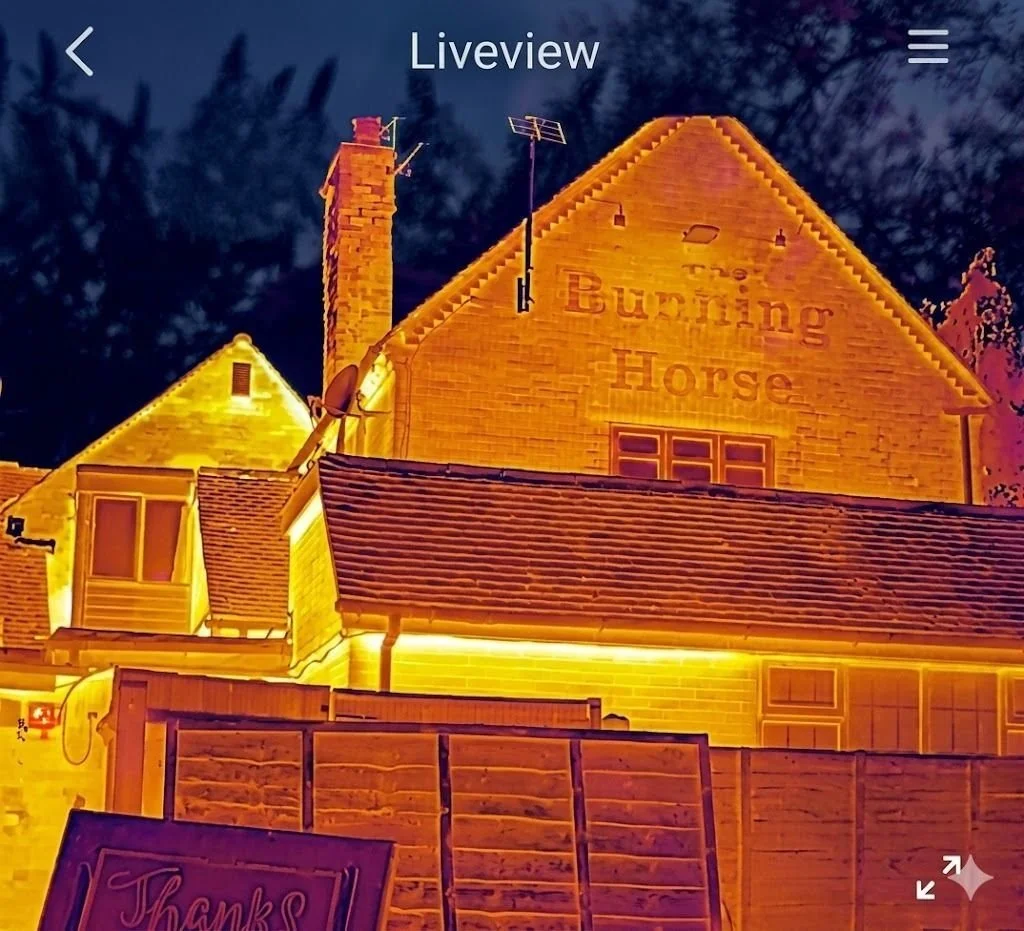
Emergence Surveys: If a building or tree is found to have "bat potential," we conduct dusk surveys using high-specification bat detectors and infrared technology to monitor bats leaving their roosts to forage.
Activity & Transect Surveys: For larger sites, we monitor how bats use the landscape for foraging and commuting, which is often essential for wind turbine or major infrastructure projects.
Hibernation Surveys: Specialist winter inspections of caves, cellars, or mines to identify roosting sites used during the colder months.
European Protected Species Licensing (EPSL): If a roost must be affected by your project, we handle the entire Natural England (or relevant national body) license application and design appropriate mitigation, such as bat lofts or integrated bat bricks.